Extra Mile Stories
A Complex Case, A Perfect Team-Jessica’s Story (Video)
The Power Of Listening To Your Body and the Team That Saved My Life
As shared by Terry Welker, FAIA
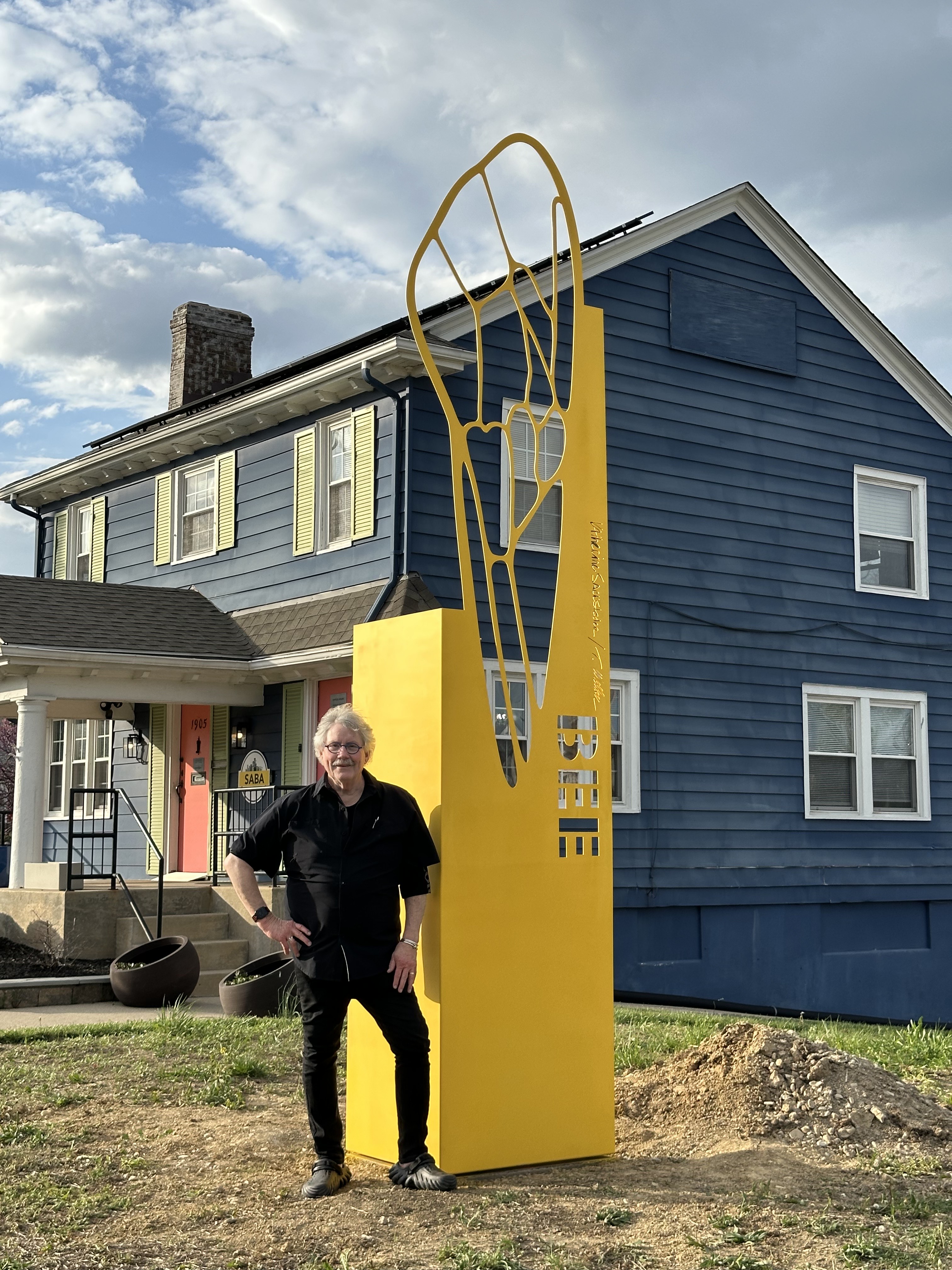
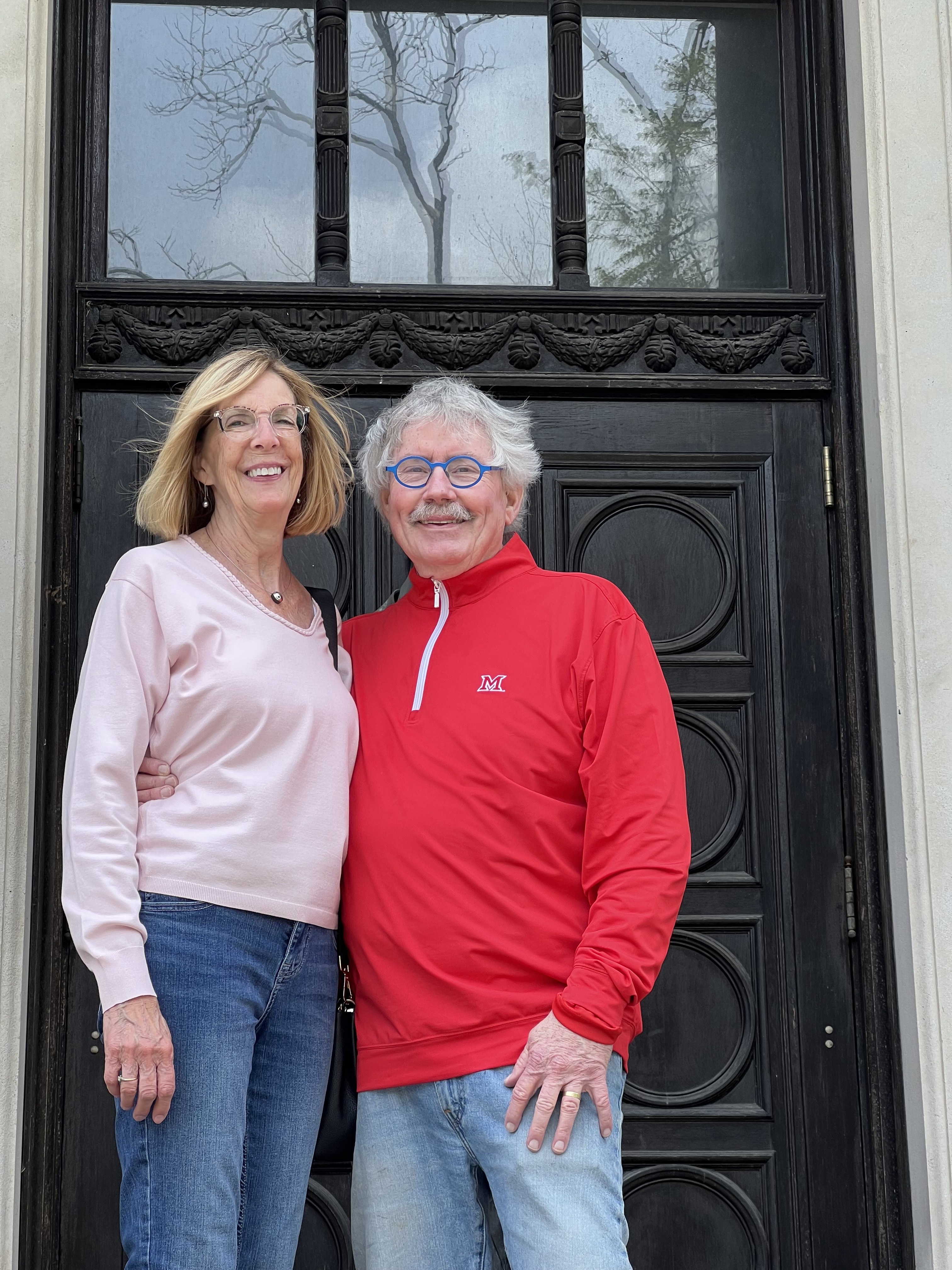
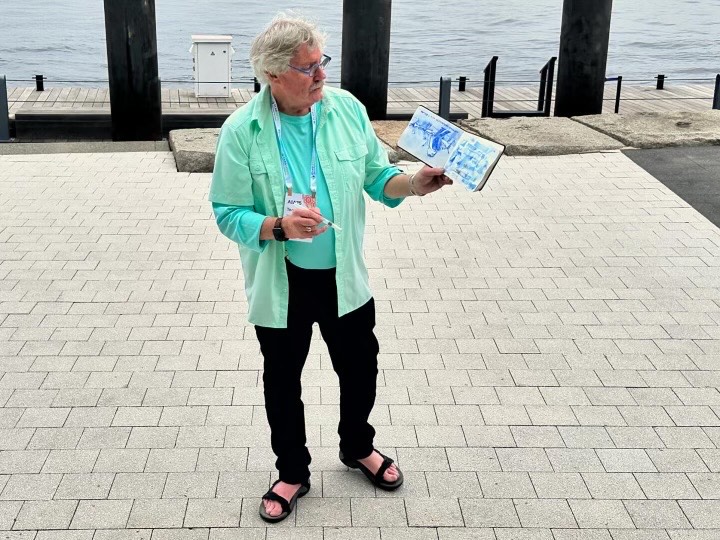
Not long ago, I had a heart attack. I’m here today because I listened to my body and because of the incredible team at Kettering Health. It started slowly. I was more tired than usual and found myself sleeping more. I brushed it off. But the fatigue didn’t go away.I had some mild chest discomfort, and I just didn’t feel like myself. I even took a few days off work, thinking rest would help. I teach at Miami University, and when I finally went back, I skipped the stairs and took the elevator. That was unusual for me. I just didn’t have the energy.
On a Friday night, I had tickets to a University of Dayton basketball game. But as I pictured myself climbing the stadium steps, I knew I couldn’t do it. That was the moment I realized this wasn’t just feeling a little off. Something was really wrong. The next morning, my wife, Sandy, drove me to urgent care. We got there around 8 a.m. A nurse took my vitals, paused, and said she needed to get the doctor. When he came in, he looked me in the eye and said, “You have six red flags. You need to go to the ER. Now.” We didn’t wait.
Sandy drove straight to the Kettering Health emergency center. I walked in at 9:15 a.m. and explained my symptoms. Within one minute, I was on an EKG. Within five minutes, I was surrounded by a full team moving with incredible focus and speed. Six nurses and a doctor were firing questions, undressing me, shaving my chest for the leads, x-raying me, placing stickers and wires across my chest, and calling out medical codes over their radios. All while the emergency center doctor stood close, reading the EKG.
For just under 10 minutes, that small room felt like a controlled storm. Then they moved me to the cardiac cath lab in a seamless handoff. It felt like watching a race-car pit crew in action, only this was my life on the line. I stayed awake through the entire procedure. Dr. Ammar Safar and his team moved quickly. They discovered a 90% blockage in what’s known as the widow-maker artery. They placed a stent and got the blood flowing again. I watched them save my life in real time.
Forty-eight hours later, I was back at Miami University. I felt more physically and emotionally alive than I had in years. But the center of this entire experience wasn’t just the medicine or the fast response. It was Sandy. She is my rock, my steady hand, my love. There are no words that can fully express what she means to me. None. I’m beyond grateful to be here. Grateful to still teach, to still create, to still live fully. Most of all, I’m thankful I listened to my body and acted. And I’m thankful for the time I get to spend with Sandy, because every moment with her is a gift. Because of the team at Kettering Health, I have more life to live. And I don’t take a single minute of that for granted.
Paul Jarrels: ION Robotic Bronchoscopy Machine
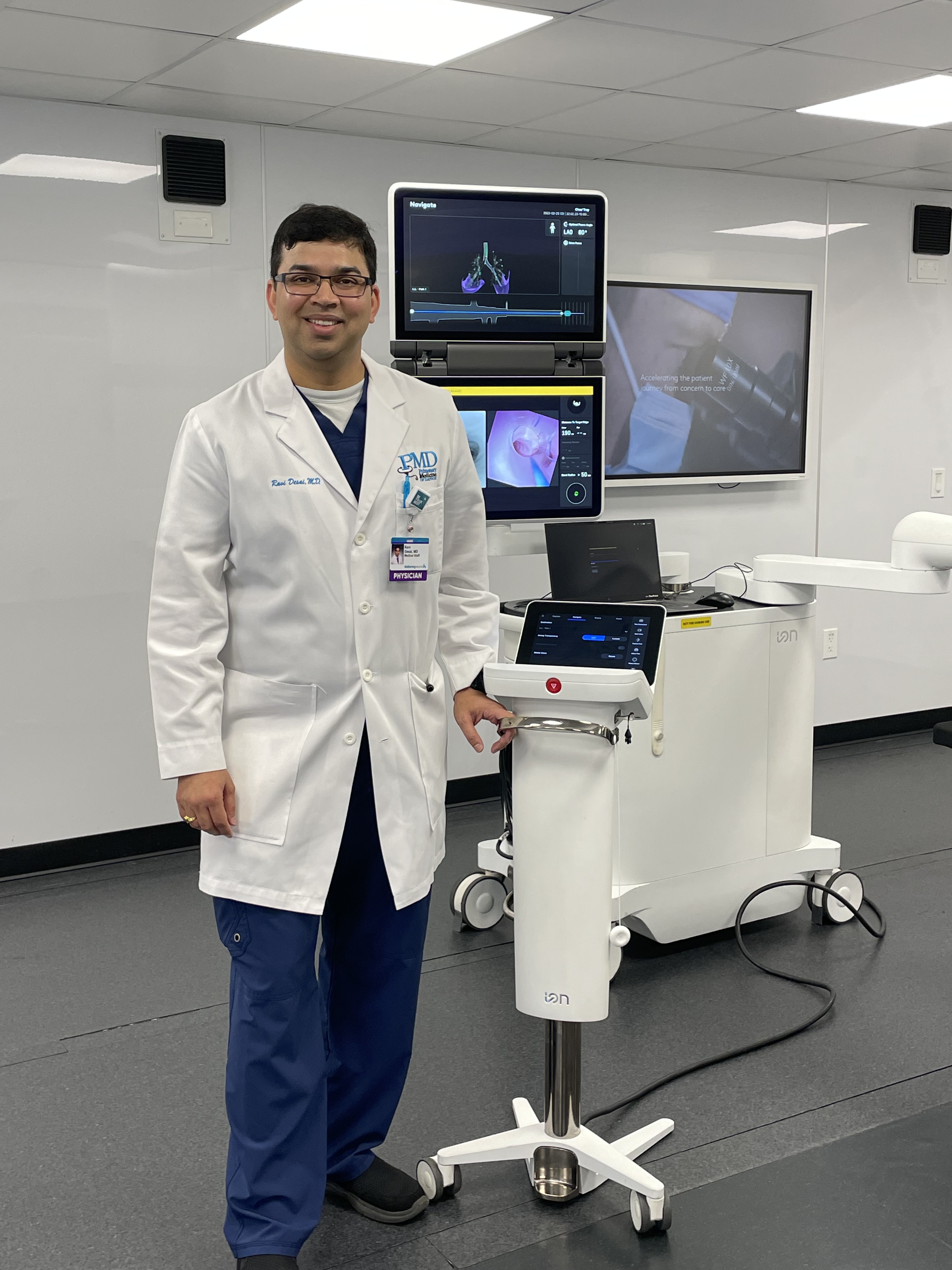
When Paul Jarrels started coughing up blood, his primary care doctor ordered a CT scan to look at his lungs. The scan revealed a spot, and Paul was referred to Dr. Ravi Desai, a pulmonary disease specialist, for a lung biopsy to determine if it was cancerous or not.
Traditionally, lung biopsies can only be taken in the later stages due to the small intricacies of our lungs. But with the Ion Robotic Bronchoscopy machine, Dr. Desai is able to reach smaller tumors further in the lungs and take biopsies much earlier in the development process.
Paul was hesitant to proceed with the biopsy, but Dr. Desai reassured him that it would be noninvasive, and if the spot proved to be cancerous, his treatment options at that stage would also be noninvasive. “One of the things I wrestled with in my head was, I’m 71. How much longer have I got to go? Maybe I can live through it. But then, when he started telling me how noninvasive it is, how easy it would be to go through and do it, it was a no-brainer.”
The biopsy confirmed that Paul had lung cancer—but it was caught extremely early. Paul had noninvasive surgery to remove the tumor, returning to his everyday life quickly.
“Only three days after my surgery, I was on the bike path walking.”
Paul reflects on his decision to get screened, appreciating how this new technology made the whole process much easier for him.
 Kettering Health Foundation 2025 Annual Report